
-
 ‘Manamela must provide proof’ – Ehlanzeni regional commissioner
-
 Arrests in Mohlala case was a charade
-
 Chaos, bitter feud between new and old owners and the collapse of a R35m lodge
-
 Administrator under pressure to fire a lodge manager facing sexual harassment allegations
-
 Former deputy police commissioner manipulating cases in retirement
-
 The rich enjoy life in eco-tourism properties while the land owners languish in poverty
-
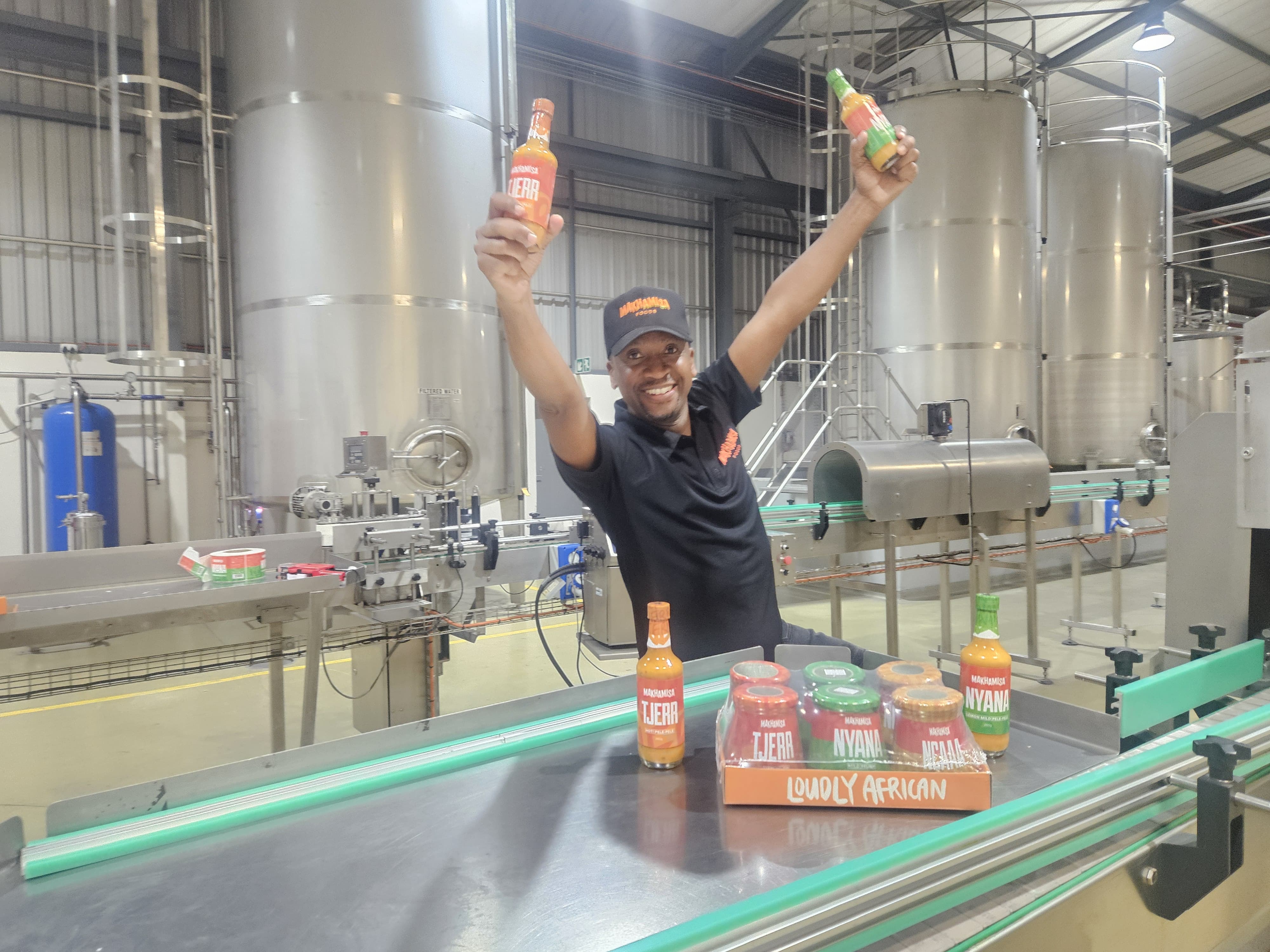 IDC’s refusal to issue commitment letter threats to collapse a relish and sauce company
-
 Anxious Easter moments as fuel price increase
-
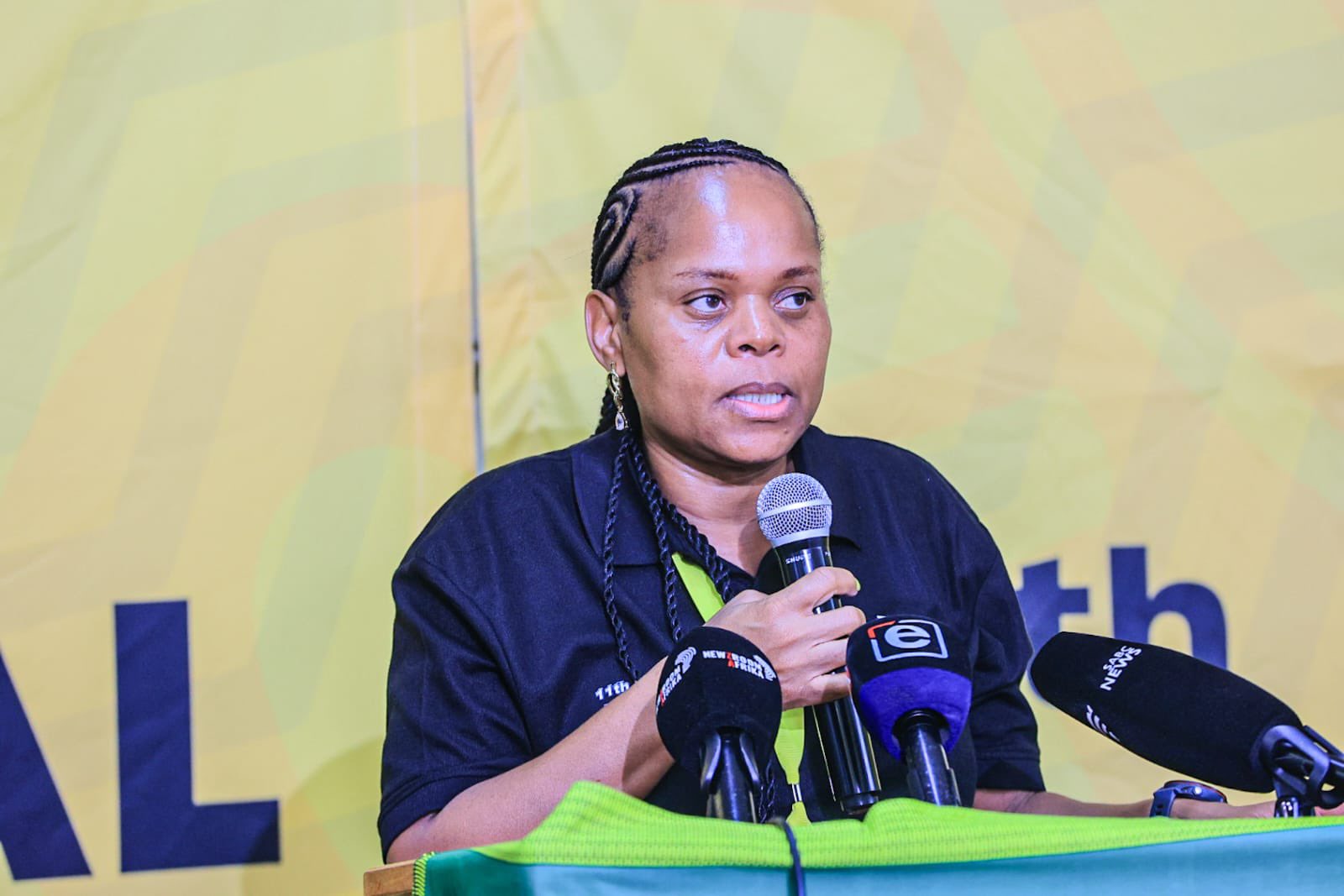 Top five ANC positions in Limpopo and Mpumalanga uncontested
-
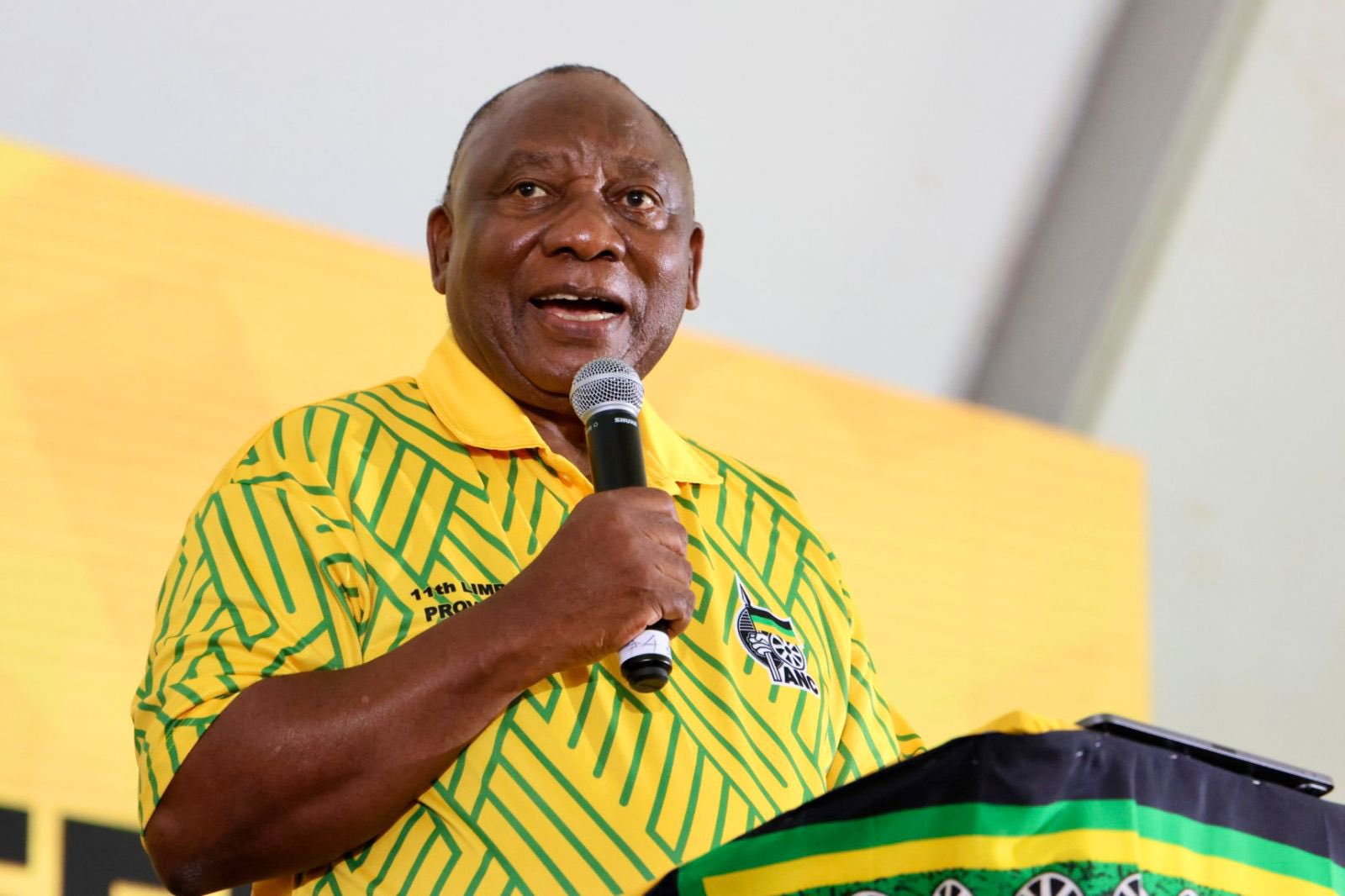 Service delivery failures in municipalities chase away investors - Ramaphosa
Inside a surgeon’s most defining moment of separating conjoined twins
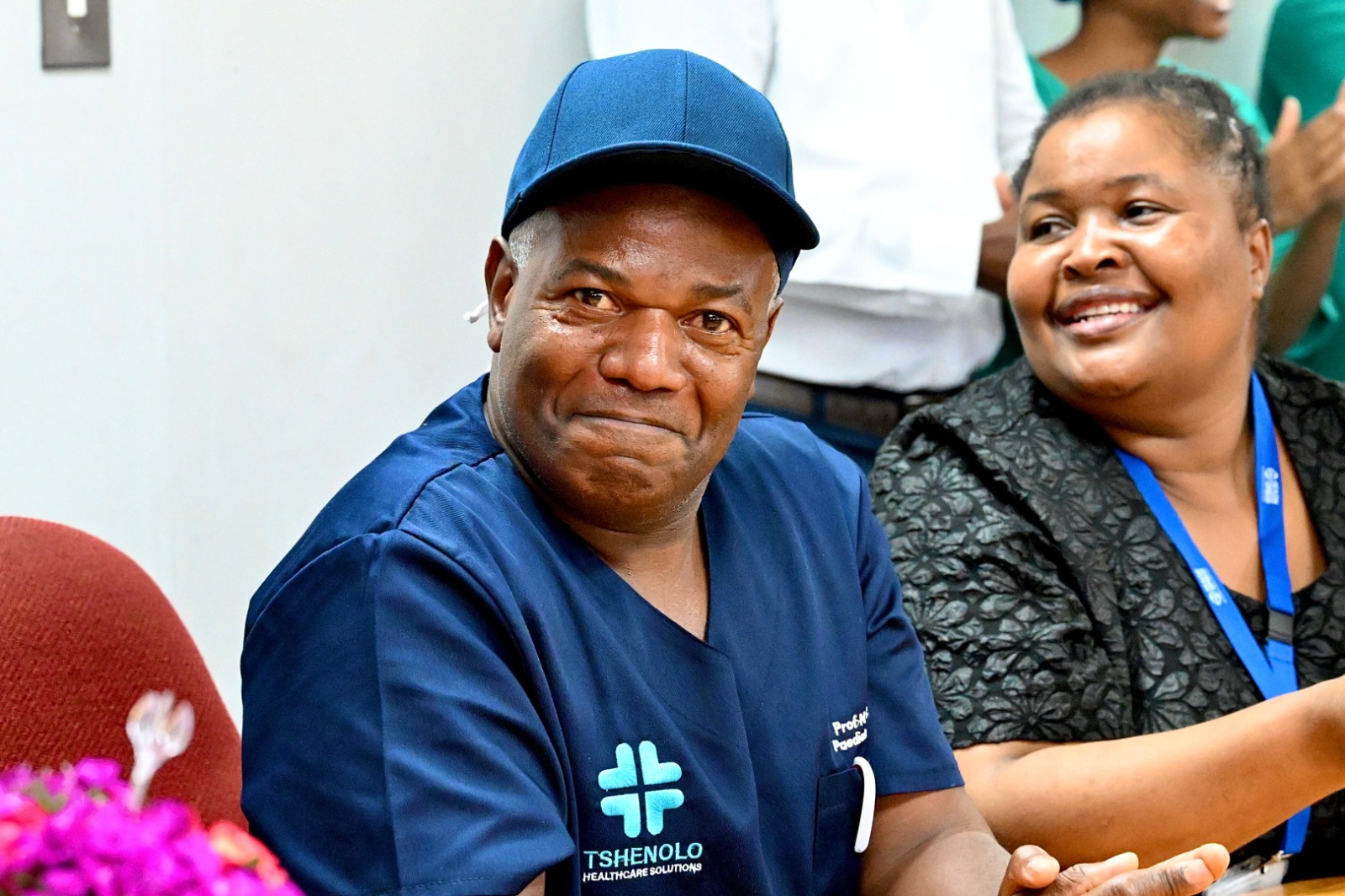
Paediatric surgeon, Professor Nnyaweleni Tshifularo, led a team that separated the first conjoined twins in Limpopo province last week.
Source: Supplied
In the quiet hours before dawn, long before the hospital corridors begin to stir, Professor Nnyaweleni Tshifularo, is already awake. Not because he has to be, but because on this day, sleep is a luxury he cannot afford.
As the paediatric surgeon at Mankweng Hospital outside Polokwane, there are two lives waiting for him to separate: two conjoined twins. The first case ever in the province.
For weeks, perhaps even months, the operation has lived in Tshifularo’s mind. Every scenario rehearsed. Every complication anticipated. Every decision mapped long before a scalpel would ever touch the skin.
The twins - fragile, joined at the trunk, sharing vital anatomy, had already defied the odds simply by surviving. Stabilising them has been a victory in itself. But, separating them, would be a different battle altogether.
“These are the moments that test everything you know,” Tshifularo reflects, pausing briefly as if weighing the words, “Not just your skill, but your judgement and your responsibility.”
Tshifularo knows that in a rural province, far from the perceived centres of medical excellence, the stakes are higher. The margin for error is unforgiving. The expectation, often unspoken, rests heavily. And yet, so does the resolve.
No surgeon stands alone in a case like this. Around him is a carefully assembled multi-disciplinary team of paediatric surgeons, reconstructive specialists, paediatricians, nurses, psychologists, dieticians, occupational therapist, technician, and procurement team. Each one a critical thread in a delicate "orchestra."
Professor Tshifularo does not lead with authority alone. He leads with trust. “You cannot do this without absolute confidence in your team,” he says, leaning forward slightly. “Everyone must know their role, but more importantly, they must believe in the collective.”
Preparation becomes its own kind of ritual. Briefings stretch late into the night. Scans are studied repeatedly, sometimes in silence. Contingency plans are debated, refined and occasionally reworked entirely.
There is tension, but it is the productive kind. The kind that sharpens focus rather than fracture it. Still, beneath the clinical precision, something quieter lingers. Anxiety.
As he reflects on the journey, Professor Tshifularo is quick to shift the focus from individual achievement to collective support. His voice softens slightly as he speaks of the leadership that stood firmly behind the team.
“Operations of this magnitude are never carried by one person,” he says, with quiet conviction. “They require belief from leadership.”
Tshifularo expresses deep gratitude to Premier Phophi Ramathuba and Health MEC, Dieketseng Mashego, for their unwavering support, noting how their confidence created an enabling environment for excellence.
He also acknowledges the senior management of Mankweng Hospital, whose leadership on the ground ensured that the team had the resources, coordination, and institutional backing needed to succeed.
“That kind of support is what makes the impossible feel possible,” says Tshifularo.
Leadership in medicine is often portrayed as a matter of certainty. But in truth, it carries a quieter, heavier burden. “You carry the responsibility differently. You think about the children. You think about the family. You think about your team,” he says.
Tshifularo says there is a multitude of questions that run through a surgeon’s mind with a delicate task like this lying ahead of him and his team: “What if something goes wrong? What if the plan does not hold?” These questions linger not as doubt, but as awareness. For, in an operation like this, there is no room for complacency.
When the time finally comes, the operating theatre transforms. The air is still. Focused. Almost reverent. Time bends. Hours pass, but no one is watching the clock. Every movement is deliberate. Every instruction measured. Every response is immediate. At the centre of it all lie the twins, two lives intricately connected, now on the brink of becoming independent of each other.
“You don’t rush,” he says, almost instinctively. “You cannot rush.” He steadies his hands before continuing. “You proceed with care, with patience, with respect for what you are dealing with.”
There are moments of tension, subtle shifts in the room when the complexity of shared organs demands not just technical expertise, but instinct. In those moments, the room tightens, and then steadies again.
This is where years of training, experience, and preparation converge. And yet, for Professor Tshifularo, the significance of this operation extends beyond surgical success. It is about place.
“We are doing this here,” he says, a quiet sense of pride in his voice. “In a public hospital, in a rural province. That matters.” In a healthcare system often defined by its challenges, moments like this begin to shift the narrative. They speak of capability, of commitment, of refusal to accept limitations as destiny. “Serving communities that are often underprivileged is not a compromise,” says Tshifularo, “it is a calling.”
When the final phase of the operation is complete, there is no dramatic celebration. Just a quiet shift. Relief settles in. Eyes meet across the theatre. A few shoulders drop, almost imperceptibly. Then, a collective exhale.
Two lives, once physically bound, now separated. “It is never about one person,” he reflects, allowing a small, restrained smile. “It is about what we can achieve together.”
Long after the theatre lights dim, the impact of the operation endures. For the twins, it is a chance at independent life. For their family, it is hope realised. For the team, it is an affirmation of what is possible. And for Professor Tshifularo, he says: “It is a reminder of why we chose this path.”
In the end, this is not just a story about a complex surgical procedure. It is a story about leadership under pressure and excellence in unlikely places. It is about the quiet courage of those who carry the responsibility of saving lives. And in a rural hospital, far from the spotlight, it is a reminder that sometimes, the most extraordinary things happen where they are least expected.
And somewhere, beyond the quiet hum of the hospital, fading light of the theatre, two lives begin again, this time, apart and full of possibility.